Signs It's Time for a Door Knob Lock Replacement
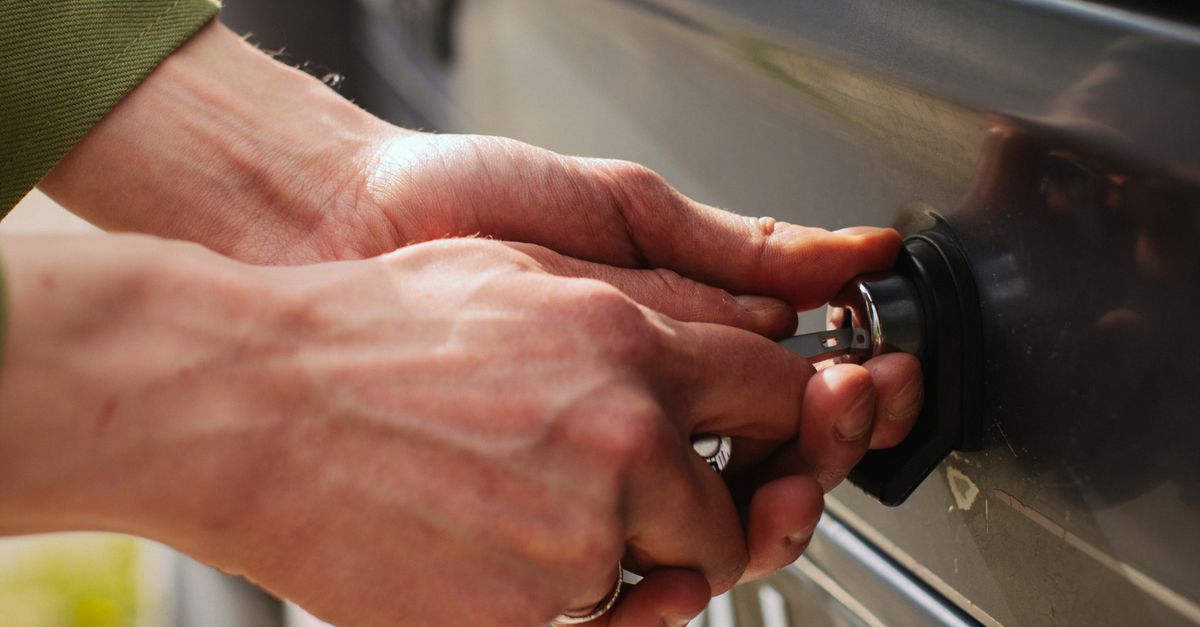
Most knob locks give you warnings before they fail completely. The cylinder starts to feel gritty or loose, the key requires extra jiggling to turn, or the latch bolt doesn't spring back reliably. Paint buildup around the rose plate, a wobbling spindle, or visible corrosion on the faceplate are all physical signals that the mechanism inside is compromised. In rental properties along 152 Highway or in the older brick-front homes near Liberty Square, these issues tend to appear after years of tenant turnover — small problems that compound until the door simply won't secure. Ignoring them is a security risk; a worn cylinder is significantly easier for an unauthorized person to manipulate than a properly functioning one.
Interior privacy locks — particularly a door knob with lock for bedroom use — fail for different reasons than exterior locks. They're not built to withstand weather or repeated forced entry, so when they give out it's usually the spindle, the push-button mechanism, or the rosette mounting screws that strip out. Our technicians evaluate the full assembly, not just the visible hardware, and recommend whether a direct replacement or an upgrade to a higher-grade knob lock makes better long-term sense for your specific door prep and frame condition.