Car Key Replacement by Make, Model, and Key Type
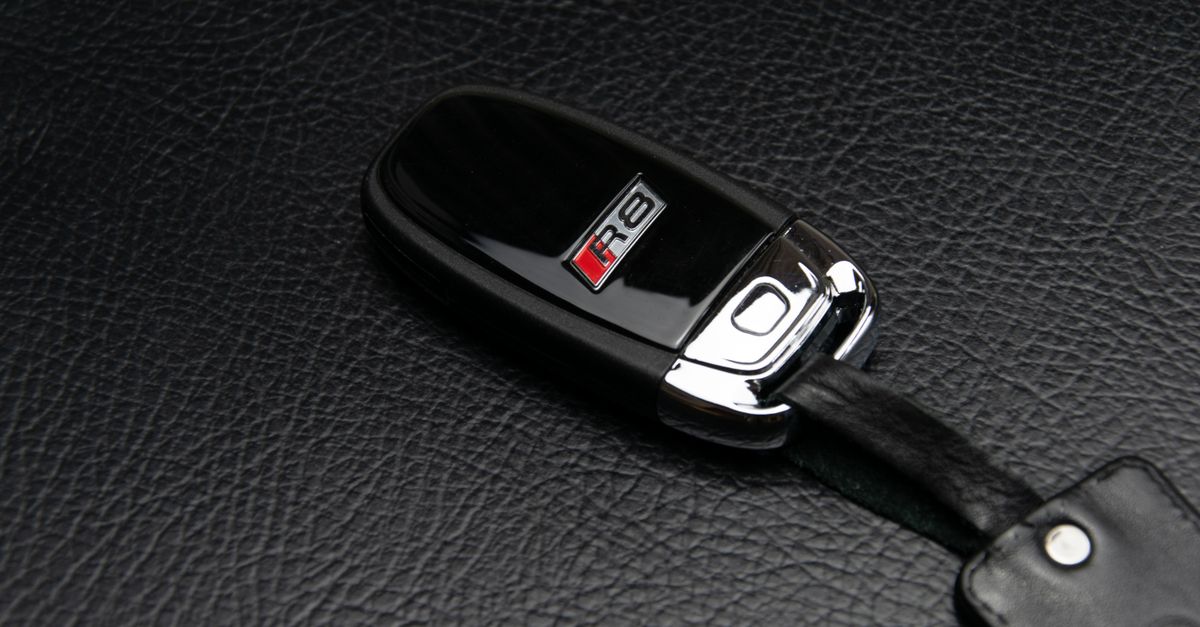
Not all replacement car keys are created equal, and the process varies significantly depending on your vehicle's year, make, and model. A basic mechanical key for an older pre-1995 vehicle can often be cut from a key code or by tracing the original — a relatively straightforward process. But a 2019 Toyota Camry with a smart proximity fob, a 2021 Ford F-150 with a push-button start, or a late-model Chevrolet Silverado with a transponder key each require a distinct programming procedure tied directly to that vehicle's onboard computer. Our technicians are trained on the specific protocols for domestic brands like Ford, Chevrolet, GMC, Dodge, Chrysler, and Jeep, as well as Japanese manufacturers including Toyota, Honda, Nissan, Subaru, and Mazda, and European makes such as BMW, Mercedes-Benz, Volkswagen, and Audi. We arrive with the right cutting equipment and programming tools to match your exact vehicle — not a one-size-fits-all approach.
Key types we regularly produce and program on-site include: standard mechanical keys, single-sided and double-sided laser-cut (high-security) keys, transponder keys with embedded microchips, remote head keys (combo key and fob), proximity smart keys (push-to-start fobs), switchblade flip keys, and internal fob shells with a separate cut blade. Each type has its own cutting specification and, where a chip or fob is involved, its own programming sequence. Bringing all of that capability mobile — directly to a driveway in Liberty's historic district or a parking structure near the Zona Rosa corridor just south of the county line — is what separates a true mobile locksmith service from a shop-based alternative.